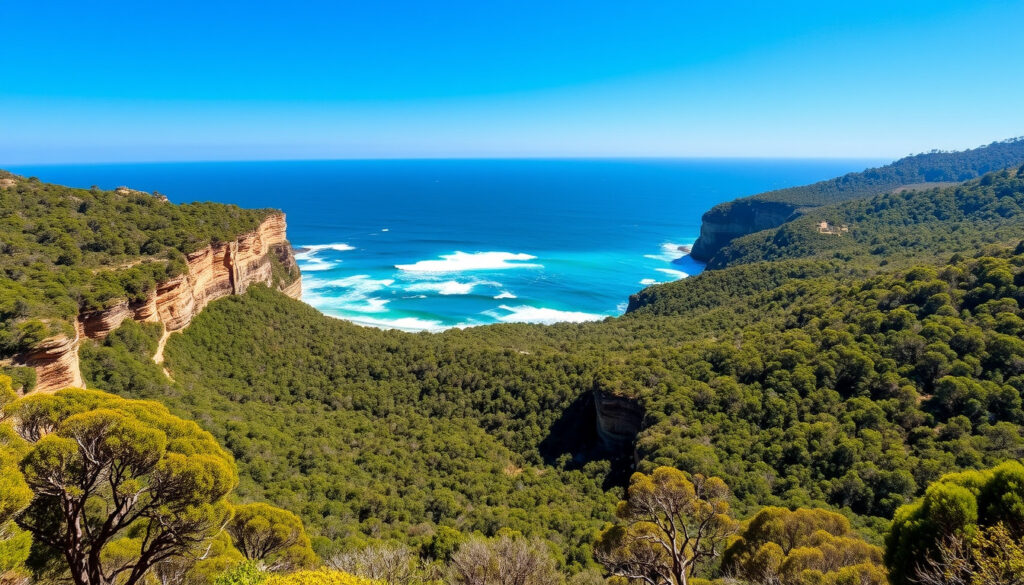
Royal National Park: $12 Entry, Worth It, Day Guide
Sydney’s closest national park feels like a different world from the harbour city—rugged coastline, secret swimming holes, and kangaroos grazing in bushland an hour from the CBD. Whether you’re weighing the $12 entry fee or figuring out which trail suits you, here’s what you need to know before you go.
Park entry fees: $12 per vehicle ·
Opening hours: 7am to 8.30pm ·
Location: Sutherland Shire, Southern Sydney ·
Key features: Bushwalking, beaches, clifftops ·
Established: 1879
Quick snapshot
- Entry fee: $12 per vehicle up to 8 seats (NSW National Parks fee schedule)
- Hours: 7am to 8.30pm daily (NSW National Parks official hours)
- Oldest national park in Australia, established 26 April 1879 (VisaLiv historical record)
- Whether it ranks as the world’s oldest national park (sources disagree on the definition)
- Current fine amounts for unpaid park fees
- 2026 fee updates beyond the 2024 schedule
- Cellular reception status for the NSW Park’n Pay app
- 1879: Australia’s first national park established (VisaLiv historical timeline)
- Pre-2024: Cash removed from entry booths; pay machines added at carparks (VisaLiv historical timeline)
- 2024: Updated fee guide published with $12 day pass confirmed (VisaLiv historical timeline)
- Regular visitors should consider the $65 annual Multi Parks Pass for unlimited access
- Summer holidays bring full carparks by mid-morning—plan an early start
- North Era and Uloola Falls campgrounds offer overnight stays for multiday hikers
The table below consolidates essential visitor information—parking fees, operating hours, trail lengths, and access points—so you can plan without hunting across multiple pages.
| Fact | Details |
|---|---|
| Location | Sutherland Shire, Southern Sydney |
| Entry fee | $12 per vehicle (up to 8 seats) |
| Annual pass | $65 Multi Parks Pass (covers most NSW parks except Kosciuszko) |
| Opening hours | 7am to 8.30pm daily |
| Established | 26 April 1879 |
| Key access | Train stations at Loftus, Engadine, Heathcote, Waterfall, Otford; Cronulla-Bundeena ferry |
| Iconic trail | Coast Track: 30km one-way along the eastern coastline |
| Campgrounds | Bonnie Vale ($34/night), North Era ($12/person/night), Uloola Falls ($12/person/night) |
| Payment | Card accepted at entry; cash not accepted; machines at Bonnie Vale, Garrawarra, Wattamolla |
How much does it cost to enter the Royal National Park?
Standard vehicle entry costs $12 per day for cars with up to 8 seats, according to the NSW National Parks fee schedule. This flat rate covers the vehicle and all passengers for a full day of exploring.
Vehicle entry fees
If you’re driving in, expect to pay $12 at the entry station—though credit and debit cards are the only options now. Cash has been phased out from all entry booths, with machines installed at popular carparks like Bonnie Vale, Garrawarra, and Wattamolla instead. The NSW Park’n Pay app works too, though reception inside the park can be patchy, so don’t rely on it as your backup plan.
Vehicles carrying more than 8 passengers follow a different rate: $4.40 per adult and $2.20 per child for a day pass. Motorbikes pay the same as standard vehicles—$12 for a day pass or $65 for the annual Multi Parks Pass.
- Day pass (single vehicle): $12
- Annual Multi Parks Pass: $65
- Seniors with Australian Seniors Card: $50 annual (normally $65)
- Large vehicles (8+ seats): $4.40/adult, $2.20/child
Vehicle pass options
If you’re planning to visit more than five times in a year, the Multi Parks Pass pays for itself quickly. At $65, it covers unlimited entry to Royal National Park and most other NSW national parks—the main exception being Kosciuszko. Seniors holding an Australian Seniors Card get $15 off, bringing the annual pass down to $50, or $90 for a 2-year pass.
The catch is that rangers do patrol and check for payment. If you haven’t paid, fines can be issued. The exact fine amount isn’t published in current official sources, but the enforcement is active.
Free access points
There is one loophole worth knowing: if you’re simply passing through without stopping, no fee applies. That matters for locals who use certain roads as shortcuts. But as soon as you pull into a carpark or stay to explore, the $12 fee kicks in.
The implication is that for Sydneysiders who drive in regularly, the annual pass essentially pays for itself after five visits, making spontaneous weekend trips far more affordable.
Is Royal National Park worth visiting?
For anyone within striking distance of Sydney, Royal National Park delivers a surprising amount of variety for a day trip. Rugged sea cliffs, sheltered swimming coves, and eucalyptus tracks that feel a world away from the city all sit within an hour of the CBD.
Pros and cons for day trips
The upside is hard to argue with: 30 kilometres of coastline trail, beaches that rival anywhere in Sydney, and a genuine sense of wilderness so close to a major city. Bushwalkers, surfers, photographers, and families with picnic setups all find their place here. According to the NSW National Parks visitor guide, the park offers everything from short strolls to multi-day treks.
The downside is crowds during peak periods. Summer holidays fill every carpark by mid-morning, and access restrictions sometimes kick in when capacity is reached. Weekends year-round also see heavy traffic on popular trails like Figure 8 Pool.
- Upsides: Diverse landscapes, beaches and bushland, close to Sydney, free with annual pass
- Downsides: Summer crowds, limited parking, popular spots get busy by 10am
Family and picnic suitability
Families with young children will find plenty of easy options. Wattamolla and Bonnie Vale offer flat areas, safe swimming, and basic facilities—ideal for half-day visits. The Figure 8 Pool is spectacular but requires planning around low tide, making it better suited for families with older children or confident walkers.
Accessibility from Sydney
The park sits roughly one hour from Sydney CBD or Wollongong, making it an easy day trip for anyone based in the city, according to Sydney.com. Train stations at Loftus, Engadine, Heathcote, Waterfall, and Otford provide public transport access from Sydney’s south, while the Cronulla-to-Bundeena ferry opens the coastal walks from the northern side.
The proximity is the real selling point. You can reach real wilderness without a full day’s travel—something few other Australian cities can match. For Sydneysiders, this park is essentially your backyard.
The pattern shows that visitors who arrive early consistently report better experiences than those who sleep in and fight for parking.
Why is Royal National Park famous?
Royal National Park holds a specific place in Australian history: it’s the country’s oldest national park, established on 26 April 1879. The concept of national parks as protected land started gaining traction globally around that time, and Australia was early to the idea.
Historical significance
The park’s creation came just a few decades after Yellowstone in the United States, which many consider the world’s first national park (established 1872). Whether Royal National Park can claim the global title depends on how you define “national park”—some definitions require certain governance structures or protection standards that only developed later. What is clear is that Royal National Park stands as Australia’s pioneer in national park conservation.
Unique natural features
Beyond history, the park is notable for its coastal bushland landscape. Dramatic sea cliffs, secluded beaches, and pockets of rainforest coexist within the same protected area. The Figure 8 Pool—a natural rock formation filled with water at low tide—has become one of the most photographed spots in NSW, illustrating the distinctive geography that draws visitors.
World recognition
While the “world’s oldest” claim is contested, the park does hold recognized status as a protected area under NSW national parks legislation. Motor vehicle fees apply across 45 NSW national parks, a system that Royal National Park participates in, according to NSW National Parks.
The fame that comes with being Australia’s first national park also brings heavy visitation. The more people discover the park, the more crowded it becomes—pushing regulars to seek quieter corners or arrive well before dawn on weekends.
The implication is that the park’s historical prestige draws visitors who might not realize that arriving at 9am on a summer Saturday means competing for every scenic view.
Can you see kangaroos in Royal National Park?
Yes, kangaroos are present in Royal National Park. Visitor reports consistently mention sightings, particularly in more open bushland areas away from the coast. The park’s mix of grassland, woodland, and sheltered gullies creates suitable habitat for wallabies and kangaroos alike.
Wildlife spotting tips
Early morning and late afternoon are the best times for wildlife activity. Kangaroos tend to feed in open areas during these cooler hours, making dawn arrivals particularly rewarding. The Wattamolla and Bonnie Vale areas offer relatively open terrain where sightings are more likely than on dense forest trails.
Common animals
Beyond kangaroos, the park supports goannas, echidnas, lyrebirds, and a wide variety of birdlife. Kangaroo Creek—an area accessible from Engadine—features in several walk routes, and while the name implies kangaroos, sightings are more commonly reported in the surrounding open bushland than along the creek itself, according to Hiking the World.
Best viewing areas
- Wattamolla and Bonnie Vale clearings—open grassland near parking
- Heathcote area trails—mix of woodland and open patches
- Engadine access points—Olympic Pool area and surrounding ridges
- Avoid the Coast Track’s beach sections for kangaroos—rocky cliffs and sand don’t attract them
Seeing kangaroos in Royal National Park isn’t guaranteed, but it’s likely if you time your visit right. Dawn arrivals give you the best chance in open areas near Wattamolla and Bonnie Vale—before the carparks fill and the wildlife retreat.
What this means is that wildlife seekers who prioritize a 7am arrival over sleep-in convenience dramatically increase their odds of an encounter worth photographing.
How to spend a day in Royal National Park
A full day here can look very different depending on your energy level and interests. Here’s a practical itinerary broken into morning, midday, and afternoon chunks.
Morning walks and drives
Start early—arriving by 7:30am gives you a parking spot and quiet trails before the crowds arrive. From Audley Visitor Centre, the coastal walk toward Wattamolla takes around 45 minutes to an hour each way, with swimming spots along the way. Alternatively, the Figure 8 Pool route (6.5 to 16km return depending on your route) is a solid morning hike, but only attempt the pool at low tide.
- Easy option: Audley to Wattamolla (4km return, roughly 1.5 hours)
- Moderate option: Figure 8 Pool (6.5km return, 2-3 hours, low tide only)
- Full commitment: Coast Track leg (8-10km one way, 4-5 hours with swimming stops)
Picnic and beach stops
By late morning, you’re ready for food. Bonnie Vale has dedicated picnic tables, flat grass, and safe swimming—ideal for a midday break. Wattamolla’s beach is another option, though it gets busy on weekends. Pack supplies from home or stop at a café in Engadine or Waterfall before entering; options inside the park are limited.
Top activities itinerary
The afternoon is for exploring different terrain. The Bundeena to Big Marley Head walk (10.8km loop, roughly 3 hours) offers dramatic cliff views and secluded beaches on the northern side, accessible via the Cronulla ferry. If you skipped the Coast Track in the morning, a shorter afternoon leg from Bundeena or Otford works well.
- Morning: Coastal walk to Wattamolla or Figure 8 Pool
- Midday: Picnic at Bonnie Vale, swim
- Afternoon: Bundeena cliff walk or sunset from Otford Lookout
Summer holiday crowds transform the park—carparks hit capacity regularly by mid-morning on weekends and school holidays. Winter visits offer solitude and clear trails, though swimming water is colder. The ideal visit: a clear autumn or spring weekday, arriving before 8am.
What this means is that the difference between a memorable day and a frustrating one often comes down to whether you set an alarm.
Do you need a car for Royal National Park?
A car makes a significant difference in how much of the park you can experience, but it’s not strictly required. Public transport options exist and work well for certain routes, particularly the coastal walks from Bundeena.
Access options
The main entry roads funnel through staffed entry stations at Farnell Avenue (Loftus), McKell Avenue (Waterfall), and Lady Wakehurst Drive (Otford). If you’re driving, you pay the entry fee and can stop wherever you like within the park.
Public transport
Train access via the NSW TrainLink network reaches five stations within or adjacent to the park: Loftus, Engadine, Heathcote, Waterfall, and Otford. From these stations, various trails start without needing a car. The Cronulla-to-Bundeena ferry adds another option for accessing the northern coastal walks without driving, according to NSW National Parks.
- Trains: Loftus, Engadine, Heathcote, Waterfall, Otford stations
- Ferry: Cronulla to Bundeena (operates regularly, roughly 30 minutes)
- Walkers using public transport: Waterfall-to-Heathcote trail is accessible by train
Drive requirements
If you want to cover multiple areas in a single day—say, Wattamolla in the morning and Bundeena in the afternoon—a car is essentially required. The park is large, and the roads between trailheads aren’t connected by regular shuttle services. For a single focused area (one trail, one beach), public transport works fine.
The catch is that visitors relying solely on public transport should accept they won’t be able to improvise mid-day detours, so pre-planning your trail choice matters more.
Upsides
- $12 entry is reasonable for a full day’s activities
- Australia’s oldest national park with genuine historical significance
- Coastal bushland and beaches within an hour of Sydney
- Kangaroos present and viewable with correct timing
- Multiple trail difficulty levels from easy strolls to 30km treks
- Annual pass ($65) offers good value for regular visitors
Downsides
- Summer crowds fill carparks by mid-morning
- No cash accepted—card or app only
- Figure 8 Pool only accessible at low tide
- Park’n Pay app has poor reception inside park
- Exact 2026 fee updates unconfirmed
- World’s oldest national park status is contested
How to get the most out of your visit
A few practical steps can transform your visit from frustrating to excellent. The difference between a good day and a disappointing one often comes down to timing and preparation.
Before you go
- Check the tide chart—Figure 8 Pool requires low tide, and beach access varies
- Download offline maps—cell reception is unreliable inside the park
- Buy snacks and fuel before you arrive—options inside are minimal
- Consider the annual pass if you’re visiting more than 4 times per year
On the day
- Arrive before 8am on weekends and holidays for parking
- Pay at entry stations with card—cash is not accepted
- Pick one primary activity (a specific walk or beach) per visit to avoid rushing
- Carry water, sun protection, and appropriate footwear
Safety notes
NSW National Parks advises reading safety tips for longer walks and overnight stays. Rangers patrol the park, and emergency access exists, but the terrain can be demanding. Coastal tracks involve cliff edges, and creek crossings can become hazardous after rain.
The gap between “I’ve been to the Royal National Park” and “I’ve experienced what it offers” is enormous. Most visitors see one beach or one trail and leave. The real value requires either an early start, a multiday plan, or a repeat visit. A single afternoon at Wattamolla is pleasant; a dawn hike to Figure 8 Pool followed by the Coast Track is unforgettable.
The Royal National Park is one of the most beautiful places in Sydney and is filled with pristine waterfalls, swimming holes, beaches and some of the best views in the world.
— Helpful Hiking (hiking guide author)
It’s hard to go past the iconic Coast Track, a long day walk (or overnight hike) that takes in the entire eastern coast of the national park.
— Hiking the World (bushwalking blogger)
If payment points are closed or unstaffed, you are still expected to pay. Rangers will check cars for payment and issue fines if you have not paid.
— Wikivoyage (travel guide)
Royal National Park earns its place in Sydney’s outdoor culture—not through one single showstopper, but through sustained variety across beaches, cliffs, bushland, and wildlife. For Sydney residents, it remains the most convenient escape into genuine wilderness. The $12 entry fee buys a full day’s worth of trails and swimming spots that would cost significantly more at a commercial attraction.
The implication is straightforward: if you live within two hours of Sydney, this park should be on your regular rotation, not saved for a once-in-a-while trip. Buy the annual pass, arrive early, and explore beyond the obvious beaches. The kangaroos, cliff views, and secret swimming holes reward those who come prepared.
Related reading: Asics Running Shoes – Best 2025 Models and Fit Guide · New Balance 574 – Complete Sizing, History and Review Guide
helpfulhiking.com, hikingtheworld.blog, nationalparks.nsw.gov.au, en.wikivoyage.org, bundeenainfo.com, nomadasaurus.com, nationalparks.nsw.gov.au, twofortheworld.com, sydney.com, global.upenn.edu
While spotting kangaroos and beaches draw crowds to Royal National Park, avid hikers seek the Wedding Cake Rock safety guide for dramatic coastal cliffs near Bundeena.
Frequently asked questions
What are the opening hours of Royal National Park?
The park is open from 7am to 8:30pm daily. Entry fees apply during these hours, and rangers check for payment throughout the day.
What activities are available in Royal National Park?
The park offers bushwalking (from easy strolls to 30km coastal treks), surfing and swimming at beaches like Wattamolla, cycling on designated paths, and overnight camping at Bonnie Vale, North Era, and Uloola Falls campgrounds.
How far is Royal National Park from Sydney?
The park sits roughly one hour’s drive south of Sydney CBD, located in the Sutherland Shire. Train access via Loftus, Engadine, Heathcote, Waterfall, and Otford stations takes about 1-1.5 hours from central Sydney.
Are there camping options in Royal National Park?
Yes. Bonnie Vale Campground costs $34 per night plus $7 per additional child over 4. North Era and Uloola Falls campgrounds charge $12 per person per night. North Era requires booking, particularly for the Coast Track overnight hike.
What weather to expect in Royal National Park?
Coastal conditions mean sea breezes and cooler air than inland Sydney. Summer (December-February) brings heat and crowds. Winter is cooler with fewer visitors—ideal for hiking but cold for swimming. Always check forecasts before visiting.
Where to find a Royal National Park map?
The NSW National Parks website offers downloadable maps and the official visitor guide. The Audley Visitor Centre inside the park also provides paper maps and current trail conditions.
Best time to visit Royal National Park?
Autumn and spring offer the best balance—comfortable temperatures, fewer crowds than summer, and reliable conditions. Weekday mornings any time of year give you the quietest trails. Summer weekends should be avoided unless you arrive before 7:30am.
More related posts
 George Harrison: Cause of Death, Funeral, and Family Life
 Tommy Flanagan: Glasgow Smile Story & Career
 Woo Do-Hwan: Personal Life, Skills, and Career Facts
 The Division 2: Worth Playing in 2024? Status & Division 3
 Zones of Regulation: Guide to 4 Zones & Teaching Tips
 Lisa Gilroy: Canadian Actress, Comedian, and Viral Star
 Lisa McCune: Biography, Husband, Blue Heelers Exit & DWTS Win
 Will Arnett: Biography, Relationships & Career