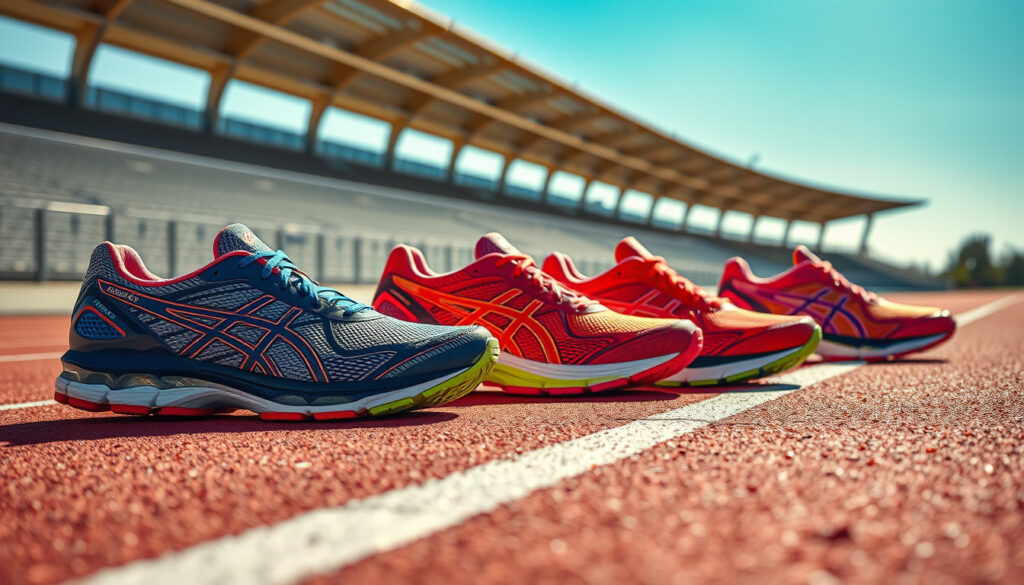
Asics Running Shoes – Best 2025 Models and Fit Guide
Asics has built a reputation over decades as a leading name in performance running footwear. The Japanese brand consistently earns praise from runners across all experience levels, from beginners building their first mileage to competitive athletes chasing personal records. Understanding which model best matches individual needs—considering foot shape, running style, and training goals—can significantly impact comfort and performance on the road or trail.
This guide examines the current Asics lineup, evaluating key models against criteria that matter most to runners. Cushioning technology, stability features, weight, and intended use cases all factor into the assessment. Whether seeking maximum cushioning for long marathon training runs, structured support for overpronation, or a lightweight racer for race day, the information below helps narrow the choices.
Beyond individual model breakdowns, the article covers essential topics including sizing recommendations for different foot shapes, direct comparisons between popular models, and practical guidance on where to purchase Asics footwear at competitive prices. Each recommendation draws from aggregated lab tests, wear testing feedback, and verified runner experiences documented across multiple independent review sources.
What Are the Best Asics Running Shoes?
The current Asics catalog offers targeted solutions across several distinct categories. Reviewers and wear testers have identified specific standouts that perform exceptionally well within their intended roles. Below is an overview of the top performers in the lineup, organized by primary use case and key specifications.
The Novablast 5 emerges as the most frequently recommended model across independent reviews. Its Flytefoam Blast Max midsole delivers a balanced combination of softness and rebound that suits a wide range of running activities. At $140–$150, it also represents strong value compared to competitors offering similar cushioning systems.
Key insights that emerge from aggregating reviewer feedback include:
- Flytefoam Blast technology provides industry-competitive energy return while maintaining durable construction through hundreds of miles
- PureGel cushioning, featured in the Nimbus and Kayano lines, offers superior shock absorption for joint protection on hard surfaces
- Asics sizing runs true to standard lengths for most runners, though width variations exist between models
- Stability features in the Kayano line address overpronation without sacrificing comfort during daily training
- Trail-specific models like the Metafuji Trail incorporate carbon plates for responsive propulsion on technical terrain
- Racing models including the Metaspeed series prioritize weight reduction over maximum cushioning
- The GT-2000 line delivers stability features at lower price points, making supportive footwear accessible on tighter budgets
| Model | Price | Weight (US9) | Drop | Best For |
|---|---|---|---|---|
| Novablast 5 | $140–$150 | 9.7oz / 274g | 8mm | Daily trainer, beginners, marathon training |
| Gel-Kayano 31 | ~$160 | Not specified | 10mm | Stability, overpronators, marathon |
| Gel-Nimbus 28 | ~$160 | 9.5oz | 8mm | Max cushioning, long runs, recovery |
| Gel-Cumulus 28 | ~$140 | 8.8oz | 8mm | Daily trainer, heel-strikers, road/trail |
| Superblast 3 | $210 | 8.2oz / 232g | 8mm | Super trainer, tempo runs |
| Metaspeed Sky Tokyo | $270 | 6oz / 169g | 5mm | Road racing, marathon PB |
Are Asics Good Running Shoes?
Evaluating whether Asics represents a sound choice requires examining both strengths and limitations documented across multiple testing environments. The brand has invested heavily in cushioning technology and stability systems that directly address common runner concerns.
Strengths of the Asics Lineup
Several factors contribute to Asics consistently high placement in running shoe rankings. The brand’s commitment to durability stands out—users report the Nimbus outsole maintains grip and structure through extended mileage that would degrade competing models. Wear testing data confirms the Nimbus 28 delivers reliable performance past 300 cumulative miles in several documented cases.
Cushioning technology represents another significant advantage. PureGel in the premium lines absorbs impact effectively while maintaining responsive feel through the gait cycle. For runners logging high weekly mileage or training for distance events, this combination of impact protection and energy return proves valuable.
Documented Limitations
No running shoe performs ideally in every scenario, and understanding trade-offs helps match footwear to specific needs. The Kayano series, while excellent for stability, weighs more than neutral alternatives and demonstrates reduced snap compared to lighter racing shoes. Runners seeking maximum responsiveness for speedwork may find the Kayano less suitable than the Novablast or Metaspeed options.
The Gel-Nimbus 28 features a wider fit through the midfoot that some testers describe as blocky. Runners preferring a more snug midfoot wrap should try this model in-store before purchasing, or consider the narrower Cumulus 28 profile instead.
Comparison with competing brands reveals nuanced differences. Asics footwear generally offers superior stability features compared to Nike alternatives at similar weight points, according to aggregate tester feedback. However, Nike shoes often register as snappier during fast-paced efforts due to their distinct midsole geometry. Neither approach is universally superior—the optimal choice depends on individual biomechanics and training priorities.
Value Assessment
Asics pricing positions most models between $140 and $210, with racing-specific options reaching $270. This range aligns with premium competitors while delivering durable construction that may reduce cost-per-mile over time. The GT-2000 14 specifically stands out for budget-conscious buyers seeking stability features without stepping up to the premium Kayano tier.
How Do Asics Running Shoes Fit?
Sizing consistency ranks among the most frequently asked questions from runners considering Asics footwear. The brand maintains generally true-to-size construction, though specific considerations apply depending on foot width and arch characteristics.
Standard Fit Characteristics
For runners with average-width feet, ordering standard size typically produces accurate results. Asics uses standardized last shapes that translate consistently across the lineup. The toe box offers adequate room for natural foot expansion during extended efforts, while the heel collar secures without creating pressure points for most foot shapes.
Drop heights vary slightly between models, with most options falling between 5mm and 10mm. Higher drops suit heel-strikers who want additional cushioned platform beneath the rearfoot, while lower drops accommodate midfoot and forefoot landings common among more advanced runners.
Sizing for Wide Feet
Runners with wider feet should investigate the extended width options available across several flagship models. The Nimbus 28, Cumulus 28, and Kayano 31 all offer wide (2E) and extra-wide (4E) variants designed to accommodate broader foot shapes without sacrificing upper security. Sole Review’s detailed testing notes that wide versions maintain proper fit through the midfoot while eliminating the compression that narrow options create on wider feet.
When considering wide-width options, verify that the upper material accommodates without creating bunching or excess volume. The mesh construction in most Asics models provides some flex to adapt, but significant size mismatches affect comfort during longer runs.
Sizing for Flat Feet and Arch Support Needs
Flat feet and overpronation require specific stability features that Asics builds into targeted models. The Kayano 31 remains the flagship recommendation for runners needing pronounced arch support and motion control. The medial post design guides foot position through the gait cycle without requiring a break-in period that some stability shoes demand.
The GT-2000 14 offers a more affordable pathway to stability features. For neutral runners with high arches seeking cushioned support without stability-specific construction, the Nimbus 28 delivers plush cushioning that reduces plantar fascia strain during extended efforts.
Asics Novablast vs Gel-Kayano: Which to Choose?
Two of the most frequently compared models in the Asics catalog serve distinctly different purposes. Understanding the core differences between the Novablast 5 and Gel-Kayano 31 simplifies the decision process for runners evaluating these options.
Design Philosophy Comparison
The Novablast 5 prioritizes versatile, energetic cushioning suitable for daily training across varied paces and distances. Its Flytefoam Blast Max midsole creates a responsive ride that encourages faster efforts while remaining comfortable for easy recovery runs. The neutral platform suits runners with efficient biomechanics who don’t require motion control.
The Kayano 31 addresses a fundamentally different need: corrective support for overpronators whose feet roll excessively inward during the gait cycle. The LITETRUSS medial posting system and structured upper guide foot position rather than accommodating natural motion patterns. This corrective approach benefits runners with flat feet or documented pronation issues.
Performance Trade-offs
Choosing between these models requires honest assessment of biomechanical needs. Runners without pronation concerns who select the Kayano accept weight and responsiveness penalties without receiving functional benefits. Conversely, overpronators choosing the Novablast may experience discomfort or fatigue from lacking support structures their feet require.
The Run Testers review confirms that both models perform excellently within their intended roles. Marathon training programs frequently pair the Novablast for daily volume building with the Kayano for recovery runs where pronation effects intensify due to fatigue. This combination approach maximizes each shoe’s strengths while managing costs across a training cycle.
Where to Buy Asics Running Shoes?
Multiple retail channels offer Asics footwear, each presenting distinct advantages for different buyer priorities. Direct purchase, specialty running retailers, and general sporting goods stores all carry the brand’s current lineup with varying levels of service and selection.
Specialty Running Retailers
Stores dedicated to running footwear provide the most comprehensive fit assessment services. Retailers like Running Warehouse and Fleet Feet employ staff trained in gait analysis who can recommend appropriate models based on observed biomechanics. These retailers often maintain full size ranges including wide-width options that general stores may not stock.
The value of in-person fitting proves particularly significant for runners with flat feet or wide feet who benefit from seeing how specific models interact with their individual foot shapes. Specialty retailers also typically honor return policies that allow testing shoes on actual runs before committing to a purchase.
Direct from Asics
The official Asics website offers complete current catalog access with manufacturer backing. Direct purchase ensures authenticity and often includes promotional pricing on previous-generation models as new releases arrive. The website provides detailed specifications for each model alongside sizing guidance.
Timing Purchases Strategically
As new model years approach, retailers discount previous-generation inventory to clear shelf space. Monitoring sales events around major shopping periods can yield meaningful savings on premium models like the Nimbus and Kayano. The trade-off involves accepting slightly older technology in exchange for reduced pricing—often a favorable exchange given how gradually midsole technology evolves between generations.
A Brief History of Key Asics Releases
Understanding how the current lineup developed requires acknowledging the milestones that shaped Asics running shoe engineering. The brand’s evolution reflects responses to changing runner expectations and advances in materials science.
- 2019 – The original Novablast launched, introducing the bouncy Flytefoam Blast midsole that would become a signature technology across multiple model lines.
- 2020–2021 – PureGel cushioning debuted in flagship models, replacing legacy GEL silicone with a lighter, more responsive material that improved impact absorption without adding weight.
- 2022 – The Metaspeed series introduced ultra-lightweight racing footwear incorporating carbon plates, positioning Asics competitively in the super-shoe category.
- 2024 – Updated Kayano and Nimbus generations incorporated refined stability and cushioning systems respectively, maintaining relevance in saturated market segments.
- 2025 – The Novablast 5 and Superblast 3 represent current iterations of the versatile training platform, with emphasis on versatile performance across pace ranges.
Established Facts and Areas of Uncertainty
Transparency about what the available evidence confirms versus what remains undetermined helps readers calibrate their expectations appropriately. The following assessment distinguishes established facts from areas where individual variation makes universal claims difficult.
| Established Information | Remaining Uncertainty |
|---|---|
| Novablast 5 offers versatile cushioning at $140–$150 | Exact weight specifications vary between size ranges |
| Kayano 31 provides superior pronation control | Long-term durability beyond 300+ miles varies by runner weight and running surface |
| Asics sizing runs true to standard lengths for most | Fit perception is subjective; in-store testing remains the most reliable method |
| GT-2000 14 delivers budget-friendly stability | Specific performance differences between wide versions across models |
| Nimbus 28 excels in maximum cushioning | Regional availability of wide-width options at retail locations |
Fit preferences and performance perceptions vary significantly between individuals. While aggregated review data provides useful guidance, nothing substitutes for actually wearing and testing footwear in the context of your specific training patterns, foot shape, and biomechanical needs.
Asics in the Broader Running Shoe Landscape
Founded in 1949 in Japan, Asics—whose name derives from the Latin phrase “anima sana in corpore sano” (a sound mind in a sound body)—has maintained consistent focus on athletic performance footwear and apparel. The brand’s engineering approach emphasizes scientific validation of cushioning and stability claims, distinguishing it from competitors who may rely more heavily on marketing narratives.
In the current running shoe market, Asics occupies a distinctive position by offering comprehensive stability solutions alongside neutral options. Competing brands often excel in one category while lacking depth in the other. Brooks provides strong stability competition, while Nike dominates certain racing segments where Asics holds smaller market share. New Balance has emerged as a meaningful competitor across multiple categories, as detailed in the New Balance 574 sizing guide and other comparative resources.
Technological differentiation centers on Asics Flytefoam formulations, which engineers have refined across multiple generations to achieve specific weight-to-cushioning ratios. The PureGel system similarly represents proprietary shock absorption that competitors cannot directly replicate. These technologies form the foundation upon which model-specific adaptations build targeted performance characteristics.
What Reviewers and Experts Have Said
“The Novablast 5 continues to punch above its weight class, delivering ride quality that rivals shoes costing significantly more. For runners who want one shoe to handle varied training, it remains a top recommendation.” — Runner’s World Gear Team
“Asics stability technology benefits from decades of refinement. The Kayano line remains the gold standard for runners who need pronation control without sacrificing daily training comfort.” — Sole Review Technical Analysis
These assessments reflect consensus across multiple independent testing programs that evaluate footwear across standardized protocols. The consistency of positive reception across varied testing environments reinforces confidence in the underlying technologies and construction approaches.
Summary and Recommendations
The current Asics running shoe lineup offers credible options across every major category runners care about. The Novablast 5 deserves consideration as a primary recommendation for most runners seeking versatile daily training footwear—it delivers responsive cushioning, durable construction, and attractive pricing that many competitors cannot match simultaneously.
Runners with specific needs should prioritize targeted options: the Kayano 31 for stability and pronation control, the Nimbus 28 for maximum cushioned comfort during long runs, and the Metaspeed Sky Tokyo for race day performance where weight savings translate to efficiency gains. Sizing considerations require attention for wide feet and flat foot types, with wide-width variants and stability-specific models respectively addressing those needs.
Purchasing through retailers who offer fitting services remains advisable for runners uncertain about their specific biomechanical needs. The investment in proper fit assessment pays dividends through reduced injury risk and improved running economy. For additional sizing guidance across brands, resources like the Adidas Spezial sizing guide provide comparative frameworks that complement the Asics-specific information in this article.
Frequently Asked Questions
Are Asics running shoes good for wide feet?
Yes. Asics offers wide (2E) and extra-wide (4E) options in the Nimbus, Cumulus, and Kayano lines specifically designed for wider foot shapes. These variants provide adequate room through the toebox without compromising midfoot security.
Do Asics running shoes run true to size?
For most runners with average-width feet, Asics sizing corresponds to standard length measurements. Ordering your typical running shoe size typically produces acceptable fit results, though trying shoes in-store remains advisable when possible.
What are the main pros and cons of Asics running shoes?
Strengths include durable construction, effective cushioning technology, comprehensive stability options, and strong value at moderate price points. Potential drawbacks include heavier weight in stability models, less responsiveness compared to some racing-focused competitors, and wider fit that may feel blocky to some runners.
How long do Asics running shoes typically last?
Durability varies by model and usage patterns, but documented wear testing shows the Nimbus 28 maintaining performance beyond 300 miles in several cases. Daily training at moderate paces generally yields 300-500 miles before cushioning degradation becomes noticeable.
What is the best Asics shoe for flat feet?
The Gel-Kayano 31 provides the most comprehensive pronation control for flat feet and overpronation. The GT-2000 14 offers similar stability features at a lower price point. For neutral cushioning without stability features, the Nimbus 28 reduces strain on the plantar fascia through plush midsole cushioning.
Can I use Asics running shoes for trail running?
The Metafuji Trail serves road-to-trail racers with its carbon plate and aggressive lugs. The Gel-Cumulus 28 handles mixed road and light trail surfaces adequately. Most standard Asics road models focus exclusively on paved surface performance and lack traction features needed for technical trail conditions.
More related posts
 Em Rata: Biography, Ethnicity, and Personal Life
 Iron Man: Marvel Hero vs. Ironman Triathlon
 Soba Noodle Salad Recipe: Easy Cold with Sesame Dressing
 Jiggly Caliente Death at 44 After Severe Infection
 iPad Air M3: Still Worth It? Ireland Prices, Pros & Cons
 Mimi Keene: Upcoming Movie, Relationship, and Career Facts
 Pope John Paul II: Biography, Apologies, Last Words, and Legacy
 Steel Cap Boots: Safety, Fit & Best Buys in Ireland