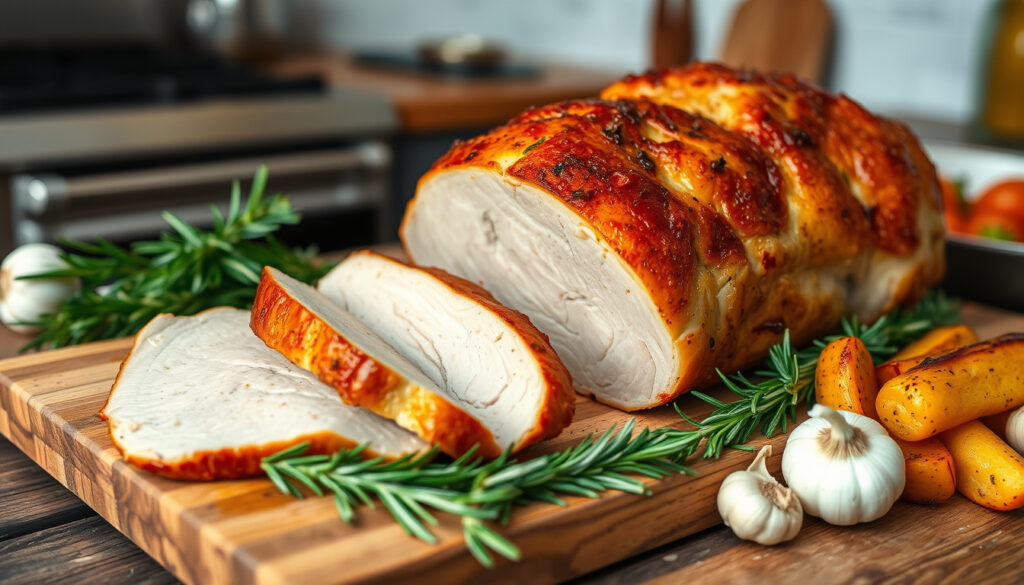
Pork Loin Roast: Cooking Time, Best Methods & Recipes
Few proteins suffer a worse reputation than pork loin — that lean, unforgiving cut that can turn from silky to sawdust in minutes. Yet the same quality that makes it tricky also makes it rewarding: when you nail the method, you get a weeknight dinner that feeds a table for less than a fancy steak. The secrets aren’t complicated, but they require knowing exactly when to pull it, how to keep the fat cap working for you, and why a thermometer is non-negotiable. Here’s how top recipe developers actually prevent dry pork loin.
Safe internal temperature: 145°F · Cook time at 350°F: 15-20 min/lb · Minimum rest: 5 minutes · Heart-healthy note: Lean pork loin: under 200 cal/serving
Quick snapshot
- 145°F is the USDA-recommended safe internal temperature (The Forked Spoon)
- Fat cap melting keeps lean meat moist during roasting (Averie Cooks)
- Optimal rest time varies between 5 and 15 minutes across sources
- Exact timing per kg depends heavily on cut thickness
- 425°F for 15 min → reduce to 375°F for 40-60 min (Averie Cooks)
- For a 3 lb roast: approximately 55 minutes total oven time (Averie Cooks)
- Master the sear-then-roast method for restaurant-quality crust
- Build flavor layers with dry rub before the oven
The table below summarizes the critical cooking parameters that distinguish a moist, tender pork loin roast from a dry, disappointing one.
| Key factor | Value |
|---|---|
| Safe doneness | 145°F internal |
| Early removal temp | 135-140°F (carryover cooking) |
| Rest period | 5-15 minutes |
| Best cut for roasting | Boneless loin with fat cap |
| High heat initial phase | 425°F for 15 minutes |
| Follow-up temperature | 375°F for 40-60 minutes |
| Per-pound time (350°F) | 15-20 minutes |
| Calories per serving | Under 200 for lean cuts |
These parameters give you a reliable framework to build from — the actual outcome depends on your specific oven and roast dimensions.
How Long Do I Have to Cook a Pork Loin Roast?
Cooking time depends on two variables you can control: oven temperature and the weight of your roast. The USDA standard for safe pork doneness sits at 145°F internal temperature, which means timing is secondary to temperature monitoring. That said, most boneless pork loin roasts (2-4 lbs) fall into a predictable window that helps you plan the rest of dinner.
Cooking time per pound
At 350°F, expect 15-20 minutes per pound for a 2-3 lb loin. If you’re cooking closer to 3 pounds, budget around 55 minutes total — including the initial high-heat sear. At lower temperatures like 325°F, the window stretches to 20-25 minutes per pound, which some cooks prefer for more forgiving, low-and-slow results.
Oven temperature guidelines
The two-phase method works best for achieving both caramelization and moist interior: start at 425°F for 15 minutes to build a crust, then drop to 375°F for the remaining cook time. If you prefer steady heat throughout, 350°F for 15-20 minutes per pound until 140°F internal, followed by rest to reach 145°F. The tradeoff: high heat gives better crackling; steady heat reduces the risk of uneven cooking.
Using a cooking time calculator
Rather than relying on time alone, plug your roast weight into a basic formula: (minutes per pound × weight in lbs) + 15 min high heat = total time. For a 1kg pork loin roast (about 2.2 lbs), that works out to roughly 35-45 minutes at 350°F. Always verify with a meat thermometer — no calculator accounts for starting temperature or cut density.
What Is the Best Cooking Method for Pork Loin?
Three main approaches dominate home kitchens: conventional oven roasting (the most tested), slow cooker preparation (the most hands-off), and air fryer cooking (the newest entry). Each suits different lifestyles, but the oven method gives you the most control over the variables that matter most for moisture retention.
Oven roasting basics
The two-phase oven roast remains the preferred technique among tested recipe developers. Sear or score the fat cap, apply your rub, then roast at 425°F fat-side up for the first 15 minutes. This initial blast renders the fat and starts browning the exterior. Reduce to 375°F and continue until the thermometer reads 135-140°F. Rest 5-15 minutes under loose foil before slicing.
Slow cooker option
The slow cooker excels for tenderness, though it sacrifices the crust you’d get from oven roasting. Set to low for 6-8 hours — enough time to break down collagen without the moisture loss that comes from higher oven temperatures. The tradeoff: meat remains in its own juices throughout, which some cooks find makes the result slightly softer than ideal. It works best when you’ll be away from the kitchen and want fall-apart texture over a clean slice.
Air fryer method
Air fryers offer a quick-cook alternative at 400°F for 20-25 minutes, using circulating hot air to approximate convection oven results in a smaller footprint. The catch: smaller cuts like pork loin perform better than thick roasts in air fryers because the intense dry heat can dry the exterior before the center reaches target temperature. For a 1-1.5 lb pork loin steak or thin cut, this works well; for a full roast, the oven remains more reliable.
Oven roasting gives you the most control over the fat cap rendering and crust formation that define a restaurant-quality pork loin roast.
How to Cook a Pork Loin Roast So It Is Not Dry?
Overcooking is the primary cause of dry pork loin. The cut is naturally lean — without the fat marbling of a ribeye or the connective tissue of a chuck roast, it has fewer buffers against heat damage. Every technique in this section exists to counteract that fundamental vulnerability.
Brining or marinating tips
Dry brining works: salt your pork loin generously and refrigerate uncovered overnight. This draws moisture out, then draws it back in with added salt, swelling the proteins so they retain more water during cooking. Pat the surface dry before roasting for better rub adhesion and crispier exterior. For a quicker option, a wet brine with aromatics for 2-4 hours before cooking achieves similar results with less planning.
Resting after cooking
This step separates amateur results from pro-quality cuts. When pork reaches 135-140°F internal, remove it from heat and tent loosely with foil. Let it rest 5-15 minutes — carryover cooking brings it to the 145°F target while the muscle fibers relax and redistribute juices. Cutting too early sends those juices pouring onto the cutting board rather than into your meat.
Monitoring internal temp
A reliable meat thermometer isn’t optional — it’s the single most important tool in your kitchen for pork loin specifically. Insert it into the thickest part of the roast, away from bone if present. Pull at 135-140°F and trust the carryover rise. For a medium-well result, some cooks target 150-155°F internal, though this risks drying for leaner cuts.
Dry pork loin is almost always a temperature failure, not a technique failure. The Kitchn’s tested recipe developers note that monitoring internal temp consistently outperforms any specific rub or brine method in preventing dryness.
How to Cook a Pork Loin So It’s Really Tender?
Tenderness in pork loin comes from two sources: internal moisture retention and structural changes from low, sustained heat. The first is about preventing moisture loss (the previous section). The second is about coaxing the proteins to relax without tightening them up from excessive temperature. Seven methods tested by RecipeTeacher converge on a few non-negotiable principles.
Tested methods for juiciness
The methods that consistently perform best across tested recipes: (1) starting with room-temperature pork for even heat penetration, (2) keeping the fat cap intact and scoring it to help glazes stick, (3) applying a dry rub at least 30 minutes before roasting, (4) searing first in a hot skillet to build a crust before oven finishing, (5) using a two-phase oven temperature, (6) resting adequately before slicing, and (7) slicing against the grain at service. No single method works in isolation — the combination matters.
Low and slow roasting
Cooking at 300°F for 40-50 minutes allows gradual heat penetration with minimal moisture loss. This approach suits larger roasts (3+ lbs) where you need the center to catch up without overcooking the exterior. Some cooks add a mustard sauce slather under the rub for an herbed, slightly tangy flavor profile that pairs well with the mild pork flavor.
Searing first
A quick sear in a hot skillet (2-3 minutes per side) before oven roasting creates the Maillard reaction — those complex flavor compounds that form when proteins and sugars brown. Pat the pork dry, season, then sear in a preheated pan with a tablespoon of oil. This step adds 5-7 minutes to prep but delivers a crust that makes the difference between roast pork and oven-baked pork. For a boneless loin, this is optional but highly recommended for flavor depth.
The combination of methods matters more than any single technique — tested recipe developers confirm that layering approaches produces consistently superior results.
What Are the Common Mistakes When Cooking Pork Loin Roast?
Recipe developers consistently see the same failures in comments and reader questions. Most stem from treating pork like beef — longer is not better, and the “safe” temperature is lower than many home cooks realize. Knowing these pitfalls keeps you from repeating them.
Overcooking pitfalls
The instinct to “cook it through” leads many cooks to push past 145°F, resulting in a gray, chalky texture. Pork is easy to overcook, so if you’ve ever produced dry, tough results, you’re not alone. The window between 145°F (perfectly moist) and 160°F (dry, tight proteins) is narrow — about 5 degrees. A thermometer with a quick-read probe eliminates guesswork entirely.
Wrong temperature
Starting with a cold roast straight from the refrigerator causes the exterior to overcook while the center lags behind. Let pork rest at room temperature for 30 minutes before it goes in the oven. This simple step improves evenness throughout the cut. Similarly, cooking at too low a temperature for too long can toughen proteins through prolonged denaturation, even without reaching the dryness of overcooking.
Skipping rest time
Cutting into pork too soon after cooking is the single most common mistake after overcooking. The muscle fibers are still contracted and hot — juices flow freely out of cut surfaces rather than being retained. Rest pork uncovered for at least 10-15 minutes without slicing. This keeps all those carefully retained juices inside the meat where they belong.
Riverview Farms notes that the resting period ensures the internal temperature finishes rising to the USDA-recommended 145°F while the protein structure relaxes and reabsorbs moisture that would otherwise spill onto the cutting board.
Step-by-Step: Perfect Pork Loin Roast
This method combines the most reliable techniques from tested recipe developers. Follow the sequence in order — each step builds on the previous one.
- Remove pork from refrigerator 30 minutes before cooking. Pat completely dry with paper towels. This improves seasoning adhesion and browning.
- Prepare the fat cap. Score the fat in a criss-cross pattern to help glazes adhere and fat render more quickly. Season all surfaces with a dry rub (salt, pepper, garlic, herbs like rosemary or thyme).
- Sear (optional but recommended). Heat a tablespoon of oil in an oven-safe skillet over high heat. Sear pork 2-3 minutes per side until lightly browned. Transfer skillet to a 425°F oven or proceed directly to roasting.
- Roast at high heat for 15 minutes. Place pork fat-side up in a roasting pan or on the skillet. Roast at 425°F for 15 minutes to start browning and render the fat cap.
- Reduce temperature and continue roasting. Drop oven to 375°F. Continue roasting until the internal thermometer reads 135-140°F (approximately 40-60 additional minutes for a 2-3 lb roast).
- Rest uncovered for 10-15 minutes. Transfer to a cutting board, tent loosely with foil, and rest. Do not slice during this period — carryover cooking finishes the job and juices redistribute.
- Slice against the grain and serve immediately. Cut perpendicular to the muscle fibers for the most tender texture. Serve with pan juices, apple sauce, or a simple mustard cream sauce.
What the Experts Say
“Don’t remove the fat cap. The fat melts down the sides and bottom of the pork loin as it roasts, which keeps the otherwise lean meat super moist.”
— Averie Cooks, Recipe Author
“Pork is easy to overcook, so take heart if you’ve ever done this, as you’re not alone.”
— Riverview Farms, Farm Guide
“When we come across dry meat, it is due to overcooking.”
— Rouxbe, Culinary Expert
“That is going to make sure all of your juice from the pork loin stays in it, doesn’t leak out and get dry.”
— Homestead Cook, YouTube Creator
The pattern among tested methods is clear: pork loin rewards precision, not force. Overcooking ruins what brining, resting, and proper fat-cap management build up. For home cooks, the most actionable change is buying a reliable meat thermometer — it’s the difference between guessing and knowing. Once you internalize the 135-140°F pull temp (rest to 145°F), every other technique becomes a supporting detail rather than a make-or-break factor. The payoff is a centerpiece protein that costs less than beef tenderloin but delivers comparable satisfaction when done right.
Related reading: 1 cup butter in grams · Aldi catalogue this week
Home cooks aiming for succulent results with crispy crackling often reference the ultimate pork loin roast guide, which mirrors these oven and slow cooker techniques.
Frequently asked questions
What temperature should I cook pork loin roast at?
The USDA recommends 145°F internal temperature. For the two-phase method, start at 425°F for 15 minutes, then reduce to 375°F until reaching 135-140°F internal, followed by 5-15 minutes of resting.
Is pork tenderloin good for heart patients?
Pork tenderloin is a lean cut, with lean pork loin cuts containing under 200 calories per serving and being relatively low in saturated fat when trimmed of excess fat cap. Consult your physician for individual dietary advice.
How to get crackling on pork loin roast?
Score the fat cap in a criss-cross pattern, keep it fat-side up during roasting, and start with high heat (425°F) for the first 15 minutes to render and crisp the fat. Pat the surface completely dry before seasoning.
What is pork loin roast cooking time per kg?
For a 1kg pork loin roast (approximately 2.2 lbs), estimate 35-45 minutes at 350°F, or about 15-20 minutes per pound. Always verify with a meat thermometer rather than relying on time alone.
Can I use pork loin for steaks?
Pork loin can be sliced into steaks or medallions. Smaller cuts like chops and steaks fry or grill better than whole roasts, with less risk of uneven cooking and dryness, per Riverview Farms.
What herbs pair with pork loin roast?
Classic pairings include rosemary, thyme, sage, and garlic. A simple rub with Italian seasoning, minced garlic, salt, and pepper works well for most flavor profiles.
How to store leftover pork loin roast?
Refrigerate sliced pork within two hours of cooking in an airtight container. It keeps for 3-4 days. Reheat gently at low temperatures (275-300°F) with a splash of broth to prevent further moisture loss.
More related posts
 Bulla Ice Cream – History, Flavours, Where to Buy & Reviews
 Ollie Bearman: F1 Driver’s Biography, Crash, and Family
 Julia Butters: Age, Career & Why She Left American Housewife
 NRMA Insurance Login: How to Access Your Account (2025 Guide)
 Aldi Catalogue This Week – Super Savers and Special Buys
 Conversations with Friends: Book & TV Series Guide
 Eve Jobs: Inheritance, Career, Wedding, and Net Worth
 Doctor Doom (Marvel): Powers, Origin & MCU Casting Explained